Micro-needling Explained
Unveiling the Benefits for Your Face and Skin
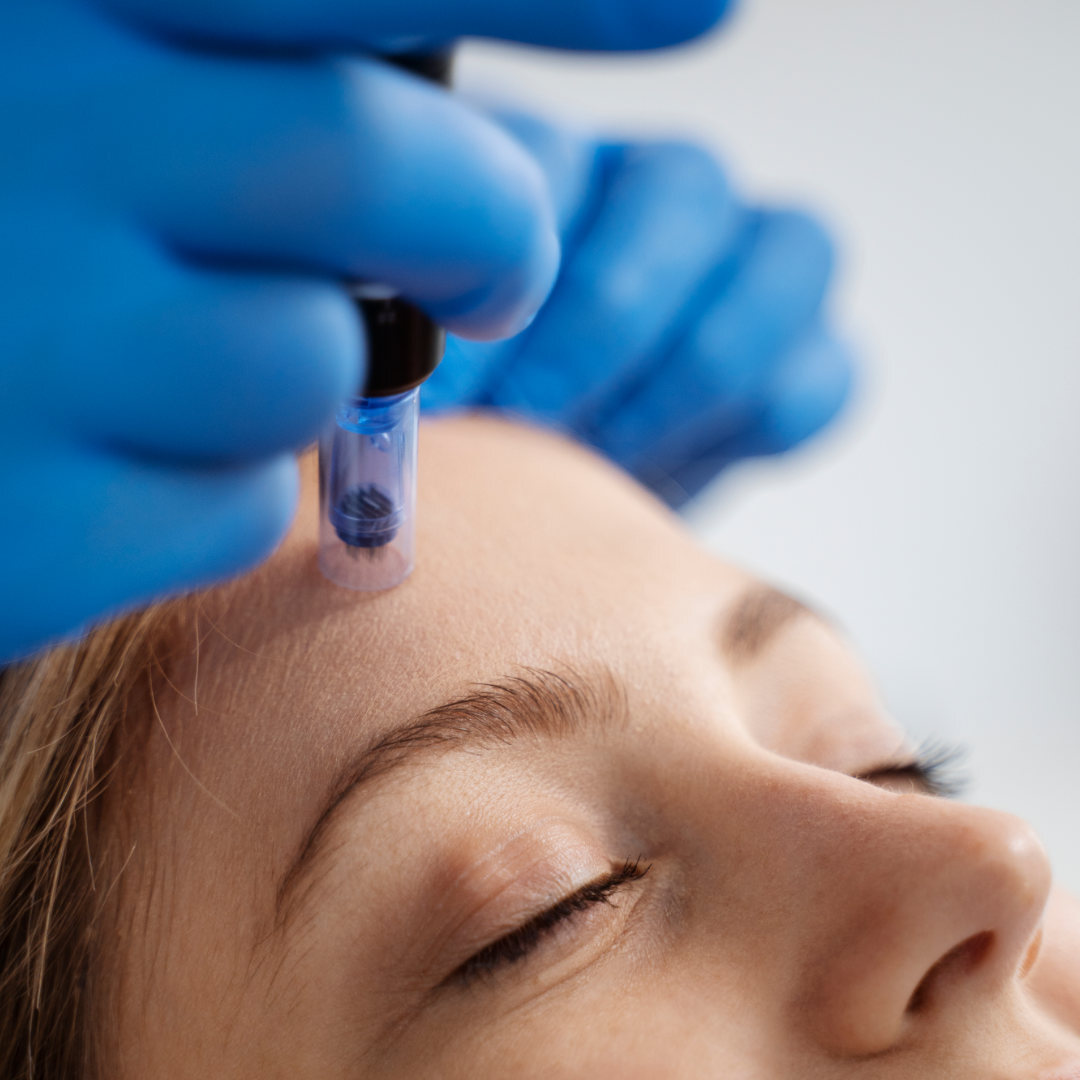
Best for:
Info about:
Derma microneedlingWhat’s the Buzz About Microneedling?
In the quest for radiant, youthful skin, countless treatments emerge, but few have garnered as much attention and scientific backing as microneedling. This innovative cosmetic procedure, often referred to as collagen induction therapy (CIT) or simply skin needling, has rapidly grown in popularity among skincare enthusiasts and professionals alike. It promises to rejuvenate the skin by leveraging the body's natural healing processes, offering a non-surgical solution to a wide array of skin concerns. From diminishing fine lines to improving texture and tone, the potential microneedling benefits are vast.
Many people are curious about this treatment, asking: does microneedling work? And what exactly can it do for the complexion, especially when applied to the face? This comprehensive guide aims to demystify microneedling, explaining what it is, how it achieves its results, the remarkable advantages it offers, and what you can realistically expect from a treatment session. Prepare to unlock a deeper understanding of this transformative skincare technique and discover how it could be the answer to achieving your best skin yet.
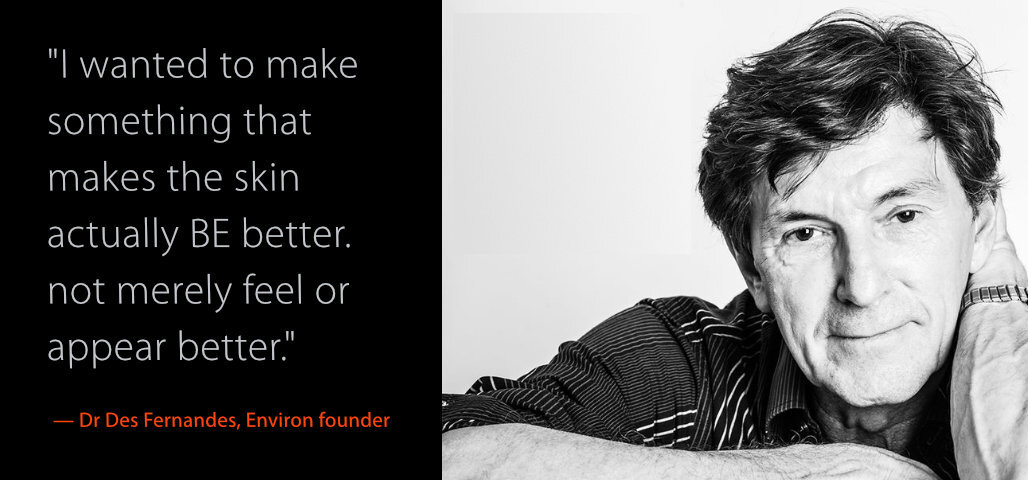
The roots of microneedling go back to the 1990s when Dr. Des Fernandes, a South African plastic surgeon, pioneered the method for treating scars and wrinkles.
What Exactly is Microneedling (Skin Needling)?
At its core, microneedling is a minimally invasive cosmetic procedure that involves using a device with very fine, sterile needles to create controlled micro-injuries in the skin. This process is scientifically known as Collagen Induction Therapy (CIT) because its primary goal is to stimulate the production of new collagen and elastin, the essential proteins responsible for skin's strength, elasticity, and youthful appearance. You might also hear it called skin needling or derma rolling, depending on the specific tool used.
The concept behind microneedling isn't entirely new; ancient healing practices used similar principles to stimulate skin repair. However, modern microneedling devices and techniques have refined this approach, making it a safe and effective option for widespread aesthetic use. Initially, derma rollers, handheld devices covered with tiny needles, were common. Today, advanced microneedling pens and stamps offer greater precision and control, allowing practitioners to target specific areas and adjust needle depth for optimal results.
The Science Behind Skin Needling
The effectiveness of skin needling lies in its ability to harness the body's innate healing capabilities. When the fine needles pierce the skin, they create microscopic channels. These controlled micro-injuries are perceived by the body as minor trauma, immediately triggering a cascade of healing responses. This natural regeneration process involves sending growth factors and fibroblasts to the treated area, initiating the production of new collagen and elastin fibres.
Collagen and elastin are the scaffolding of our skin. As we age, their production naturally declines, leading to wrinkles, sagging, and a loss of firmness. By stimulating their synthesis, microneedling effectively rebuilds and remodels the skin from within. The process not only repairs the immediate micro-injuries but also improves overall skin structure, leading to a smoother, firmer, and more rejuvenated complexion. Different devices, from manual derma rollers to automated pens, all aim to achieve this same biological response, albeit with varying degrees of precision and depth. This is how microneedling works at a cellular level, making it a powerful tool for skin rejuvenation.
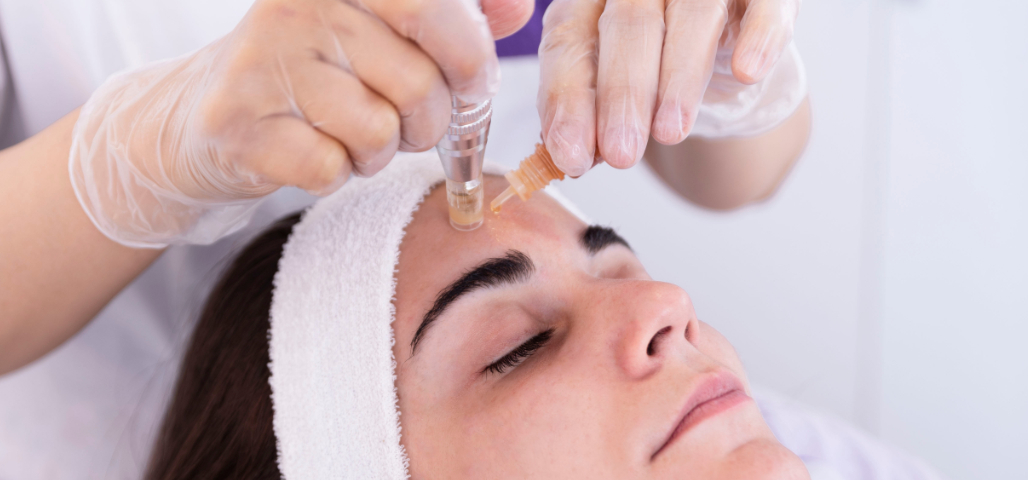
Each microneedling session initiates a controlled healing cascade. Think of it as giving your skincare a VIP fast pass to the layers where it’s needed most.
How Microneedling Works to Transform Your Skin
Understanding how microneedling works involves exploring the intricate biological processes that unfold beneath the skin's surface after the treatment. The creation of thousands of microscopic channels acts as a powerful signal to the body, initiating a three-phase wound healing process that ultimately leads to skin transformation. This natural cascade effectively delivers microneedling's remarkable results, prompting cellular turnover and repair.
First, the inflammation phase begins immediately, where the body sends blood flow and immune cells to clean out the micro-injuries. This is followed by the proliferation phase, where new cells, including fibroblasts, begin to form. These fibroblasts are crucial, as they are the primary cells responsible for synthesising collagen and elastin.
Finally, the remodelling phase sees the newly formed collagen and elastin mature and organise, leading to a stronger, more resilient skin structure. Beyond this internal renewal, the micro-channels also serve another vital purpose: they significantly enhance the absorption of topical skincare products, allowing active ingredients like hyaluronic acid, peptides, and vitamin C to penetrate deeper into the skin where they can be more effective.
The Collagen Induction Process Explained
The core mechanism behind microneedling's success is its ability to induce collagen. When the fine needles penetrate the skin, they create tiny, controlled punctures without causing significant damage to the epidermis. This controlled trauma signals the body to kickstart its natural repair mechanisms. Fibroblasts, specialised cells located in the dermis, are stimulated to produce new collagen and elastin fibres. Think of it like a gentle nudge to your skin's natural regeneration factory.
This process results in a gradual but profound improvement in skin quality. The new collagen and elastin work together to fill in fine lines and wrinkles, tighten loose skin, and improve overall texture and tone. Because the collagen rebuilding process takes time, the results of microneedling are not immediate but rather unfold over several weeks and months as the skin naturally regenerates. This slow and steady approach ensures that the improvements are organic and long-lasting, leading to thicker, firmer, and visibly more youthful-looking skin.
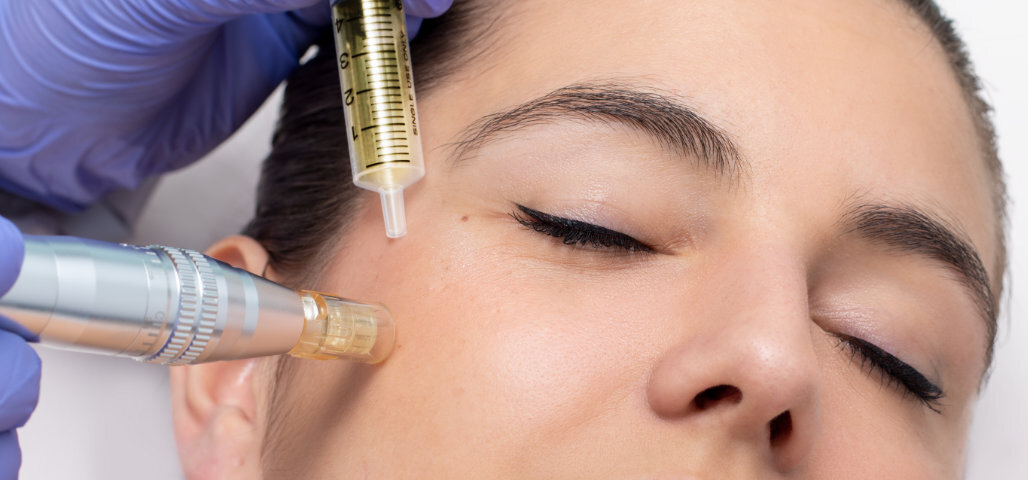
Microneedling’s magic lies in stimulating fibroblasts — the skin cells responsible for producing collagen and elastin.
The Remarkable Benefits of Microneedling for Your Face and Overall Skin Health
The array of positive microneedling effects on skin is truly impressive, making it a versatile treatment for a wide range of aesthetic concerns. From combating the signs of aging to addressing stubborn skin imperfections, the benefits of microneedling extend far beyond simple surface-level improvements. This treatment offers significant advantages for both the face and overall skin health, contributing to a more radiant and youthful complexion. Understanding these advantages of microneedling can help you appreciate why it has become such a sought-after procedure.
Addressing Specific Skin Concerns with Microneedling
- Fine Lines and Wrinkles: One of the most celebrated microneedling benefits is its anti-aging capabilities. By stimulating new collagen and elastin production, microneedling for wrinkles effectively smooths out fine lines and creases, improving skin elasticity and firmness. The skin becomes plumper and more resilient, visibly reducing the appearance of static wrinkles.
- Acne Scars and Other Scarring: Microneedling is highly effective in treating various types of scars, particularly atrophic scars left behind by acne, chickenpox, or injuries. The needles break down old, fibrous scar tissue and stimulate the growth of new, healthy skin cells and collagen, leading to a significant improvement in scar depth and texture. This makes it a powerful tool for scar revision, offering significant derma needling benefits for scar reduction.
- Hyperpigmentation and Sun Damage: For those struggling with uneven skin tone, sunspots, or melasma, microneedling offers a promising solution. It helps to break up clusters of melanin (pigment) in the skin and encourages the shedding of discoloured cells, allowing new, evenly pigmented cells to surface. This leads to a more uniform and radiant complexion, diminishing the visible signs of sun damage.
- Enlarged Pores: While it might seem counterintuitive, microneedling can actually help reduce the appearance of enlarged pores. By thickening the epidermis and stimulating collagen around the pores, it makes them appear smaller and less noticeable, contributing to a smoother skin texture.
- Improved Skin Texture and Tone: Regardless of specific concerns, nearly everyone experiences an improvement in overall skin texture and tone. The increased cellular turnover and collagen synthesis result in smoother, softer skin with a healthy glow. Many describe their skin as feeling "fresher" and looking more vibrant after a series of treatments, highlighting the comprehensive benefits of skin needling.
- Enhanced Product Absorption: The micro-channels created during the procedure act as conduits, allowing your favourite serums, moisturisers, and active ingredients to penetrate much deeper into the skin. This means that your expensive skincare products can work more effectively, maximising their benefits and delivering superior results compared to topical application alone. This is a significant advantage, ensuring you get the most out of your skincare regimen and contributing to the overall benefits of microneedling face treatments.
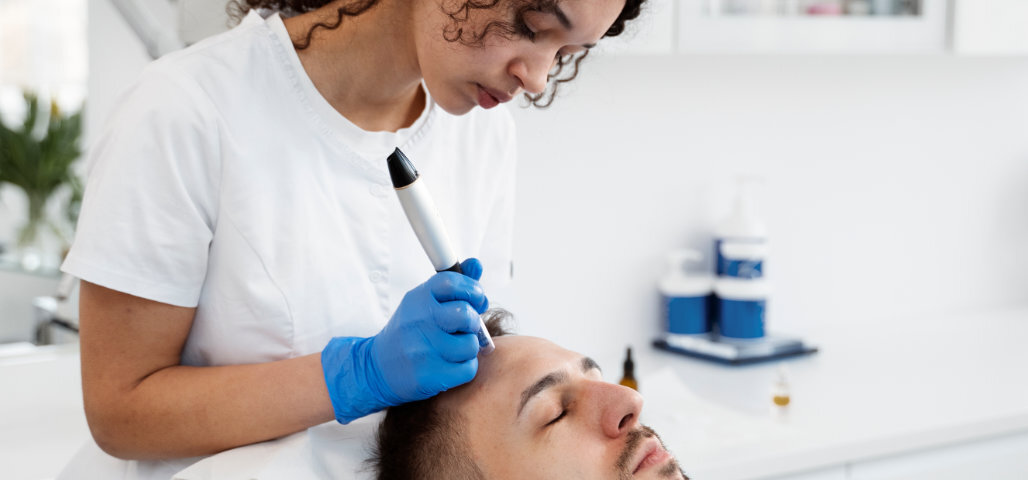
Whether you’re looking to smooth fine lines, fade acne scars, or simply revive your skin’s natural glow, microneedling offers a path to visible, lasting improvement.
What to Expect from a Microneedling Treatment
Embarking on a microneedling treatment journey can be exciting, and knowing what to expect can help ease any anxieties. A professional microneedling treatment for face typically follows a structured process, ensuring both efficacy and safety. It's important to remember that while the procedure itself is relatively quick, proper preparation and aftercare are crucial for optimal results and minimising potential side effects. Here's a detailed look at what happens during and after a typical session, providing essential information about microneedling treatment.
Before Your Treatment: Preparation Steps
Preparation is key to a successful microneedling experience. Your practitioner will provide specific instructions, but generally, it's advised to avoid certain activities and products in the days leading up to your appointment. This often includes discontinuing retinoids, exfoliating acids, and vitamin C serums for about a week prior, as these can increase skin sensitivity. Sun exposure should also be minimised, and tanning beds avoided. On the day of the treatment, your skin should be clean and free of makeup. A topical numbing cream is almost always applied to the treatment area about 20-30 minutes beforehand to ensure comfort during the procedure, making the experience much more tolerable.
During the Procedure: What It Feels Like
Once the numbing cream has taken effect, it will be removed, and your skin will be thoroughly cleansed. The practitioner will then use a specialised microneedling device, which is typically an automated pen or a derma roller, to glide over the treatment area. You might feel a sensation of light pressure, vibration, or a "prickling" feeling, but thanks to the numbing cream, significant pain is rare.
The duration of a session can vary depending on the size of the treated area, but a full microneedling treatment for face usually takes about 30-60 minutes. Serums containing hyaluronic acid or growth factors are often applied during or immediately after the treatment to facilitate gliding and enhance absorption.
Aftercare and Recovery: Post-Treatment Guidelines
Immediately after your microneedling session, your skin will likely appear red, similar to a moderate sunburn, and may feel warm or tight. Mild swelling is also common. These immediate side effects usually subside within 24-48 hours. Your practitioner will provide detailed aftercare instructions, which typically include gentle cleansing with a mild cleanser, keeping the skin hydrated with a soothing, non-comedogenic moisturiser, and rigorous sun protection (SPF 30 or higher is essential).
It's crucial to avoid harsh skincare products, makeup, and strenuous exercise for at least 24-72 hours. As the skin heals, you might experience some dryness or flaking, which is normal and indicates cellular turnover. Most people can resume their normal activities within a day or two, making it a treatment with relatively minimal downtime.
Professional vs. At-Home Microneedling Devices
With the rise of at-home beauty tools, many wonder about the difference between professional and DIY microneedling. While at-home derma rollers are available, they typically have much shorter needles (0.2mm to 0.5mm) designed for enhanced product absorption and very superficial exfoliation.
Professional treatments, on the other hand, use devices with longer needles (up to 2.5mm or more) that can penetrate deeper into the dermis to effectively stimulate collagen induction. The efficacy, safety, and depth of penetration are significantly different. Professional treatments are performed in a sterile environment by trained individuals, minimising risks of infection, improper technique, and adverse reactions. Attempting deep microneedling at home can lead to scarring, infection, and unsatisfactory results, making professional guidance highly recommended for significant skin concerns.
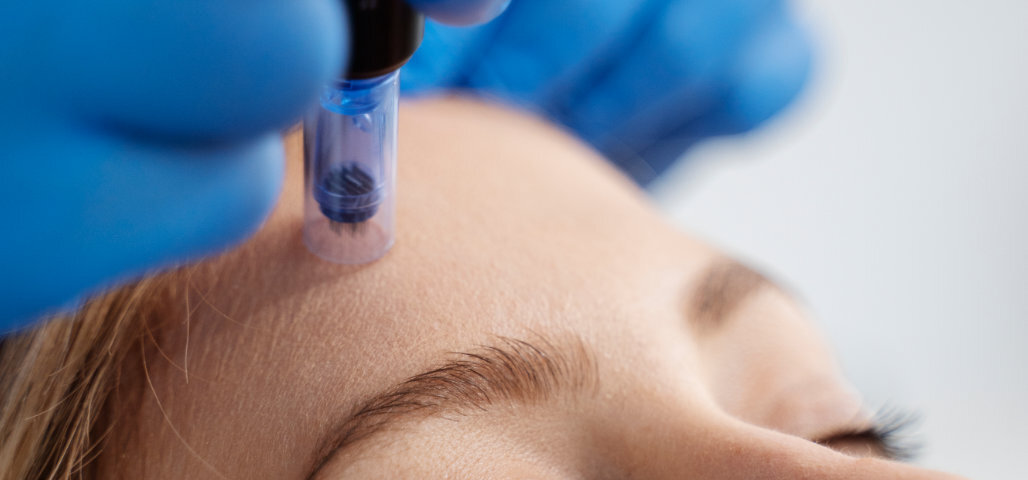
Factors such as age, skin condition, and aftercare influence how quickly and dramatically results appear.
Does Microneedling Really Work? Efficacy and Expected Results
The question, "does microneedling work?" is a common one, and the answer, supported by numerous clinical studies and widespread patient satisfaction, is a resounding yes. The scientific basis for its effectiveness in stimulating collagen and elastin production is well-established, making it a reliable treatment for various skin concerns. However, it's important to manage expectations regarding the timeline and nature of the results of microneedling. This isn't an overnight fix; rather, it's a process that yields gradual and cumulative improvements.
The visible transformation from microneedling typically begins to appear several weeks after the initial treatment, as the new collagen and elastin fibres mature. Optimal results are usually observed after a series of 3-6 sessions, spaced 4-6 weeks apart, allowing the skin ample time to heal and rebuild. Factors influencing the final outcome include the individual's skin condition, age, lifestyle, the depth of needle penetration used, and consistent aftercare. Patients often report significant improvements in skin texture, firmness, and the reduction of scars and hyperpigmentation, confirming the strong microneedling efficacy.
Potential Side Effects and Safety Considerations
While microneedling is generally considered safe, especially when performed by a qualified professional, it's important to be aware of potential side effects. The most common are temporary: redness, swelling, and a sensation similar to a sunburn, which typically resolve within 24-48 hours. Mild bruising can occur, especially in sensitive areas. Rarer but possible side effects include infection (if proper sterilisation isn't maintained), hyperpigmentation (particularly in darker skin tones if not treated carefully or if sun exposure is not avoided post-treatment), or an allergic reaction to topical products used during or after the procedure.
This is why choosing a reputable clinic and an experienced practitioner is paramount to minimise risks and ensure a safe experience. Regarding long term side effects of microneedling, when performed correctly and with proper aftercare, serious long-term complications are exceedingly rare, making it a generally safe procedure for sustained skin health.
Long-Term Effects and Maintenance
The collagen and elastin stimulated by microneedling are your body's own, meaning the improvements are natural and can be long-lasting. However, the aging process continues, and new collagen production will naturally slow down over time. To maintain the beautiful microneedling effects, periodic maintenance sessions (e.g., once or twice a year) are often recommended. Combining treatments with a consistent, high-quality skincare regimen that includes antioxidants, peptides, and sun protection will also significantly prolong and enhance the results.
Who is a Good Candidate for Microneedling?
Microneedling is suitable for most skin types and tones, making it a versatile treatment. Ideal candidates are individuals looking to improve the appearance of fine lines, wrinkles, acne scars, hyperpigmentation, enlarged pores, and overall skin texture and tone. However, there are contraindications.
Microneedling is not recommended for those with active acne, eczema, psoriasis, or other chronic skin conditions in the treatment area; individuals with active cold sores or skin infections; those prone to keloid scarring; or pregnant/breastfeeding women. A thorough consultation with a qualified practitioner is essential to determine if microneedling is the right treatment for your specific skin concerns and health status.
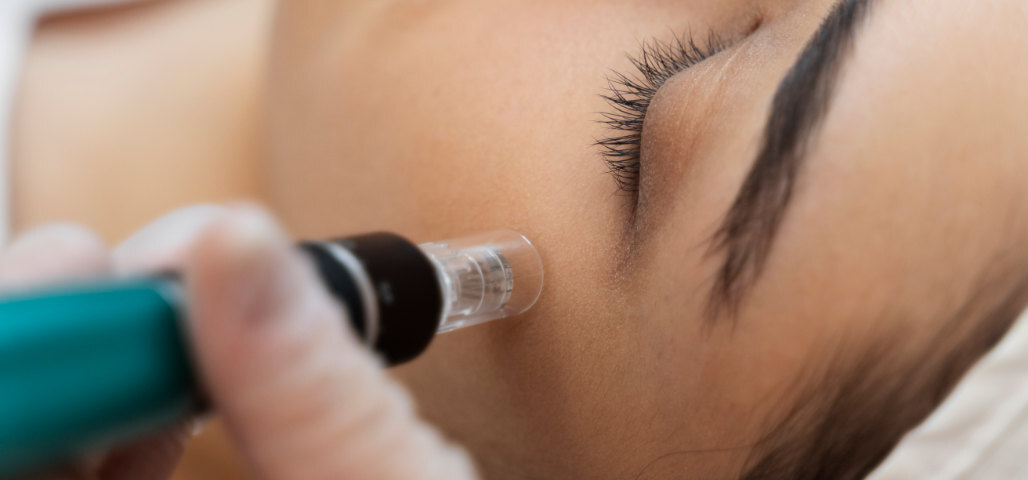
When performed professionally, microneedling has minimal long-term side effects. In fact, consistent sessions help maintain collagen production over time, slowing visible aging.
Microneedling for Facial Rejuvenation: A Closer Look
While microneedling can be performed on various parts of the body, its application for facial rejuvenation is where it truly shines, earning its reputation as a powerful anti-aging and skin-perfecting treatment. When we talk about facial microneedling, we're specifically addressing the unique concerns and delicate nature of the skin on the face. This targeted approach allows for significant improvements in overall complexion, making it a cornerstone for those seeking a more youthful and radiant appearance.
Microneedling on face areas effectively targets common signs of aging such as crow's feet around the eyes, vertical lines around the mouth, and sagging skin along the jawline. The controlled micro-injuries stimulate collagen and elastin where they are most needed, leading to improved skin elasticity and firmness. Beyond wrinkles, the treatment significantly enhances overall skin texture, reducing rough patches, minimising pore size, and evening out skin tone. The result is a smoother, softer, and more refined complexion that reflects light beautifully.
The precision offered by modern microneedling devices is particularly beneficial for the face, allowing practitioners to safely treat sensitive areas around the eyes and lips. The cumulative microneedling effect on face skin is one of profound renewal, contributing to a significant boost in confidence. This treatment doesn't just address surface imperfections; it works at a cellular level to rebuild and strengthen the skin's foundation, making it an excellent choice for comprehensive facial rejuvenation and maintaining a vibrant, healthy glow. Many choose face microneedling specifically for its ability to transform their complexion.
Frequently Asked Questions About Microneedling
Understanding the full scope of microneedling benefits and side effects of microneedling often involves addressing specific questions that arise. Here are some common inquiries to provide further clarity:
How many microneedling sessions do I need?
The typical course of treatment involves 3 to 6 sessions, spaced approximately 4 to 6 weeks apart. The exact number depends on your specific skin concerns, the severity of the condition being treated (e.g., deep scars versus fine lines), and your desired results. Your practitioner will assess your skin and recommend a personalised treatment plan.
Is microneedling painful?
While the idea of needles can sound intimidating, a topical numbing cream is applied before the procedure, making the treatment very tolerable for most individuals. You might feel a mild prickling sensation or pressure, but significant pain is uncommon. Discomfort levels can vary depending on the area being treated and individual pain thresholds.
How long do microneedling results last?
The collagen stimulated by microneedling is your own, so the results are long-lasting. However, the natural aging process continues. To maintain optimal results, follow-up treatments (e.g., once or twice a year) are often recommended. Consistent sun protection and a good skincare regimen will also help preserve your results.
Can microneedling be done on all skin types?
Yes, microneedling is generally safe and effective for all skin types and tones, including darker skin, with proper technique and aftercare. Unlike some laser treatments, it carries a lower risk of post-inflammatory hyperpigmentation for individuals with melanin-rich skin. However, a consultation is crucial to ensure it's suitable for your specific skin condition.
What should I avoid after microneedling?
Immediately after treatment, avoid direct sun exposure, strenuous exercise, and harsh skincare products like retinoids, alpha hydroxy acids (AHAs), and vitamin C for at least 24-72 hours. It's also best to refrain from applying makeup for at least 24 hours to allow the micro-channels to close and prevent irritation or infection. Always follow your practitioner's specific aftercare instructions.
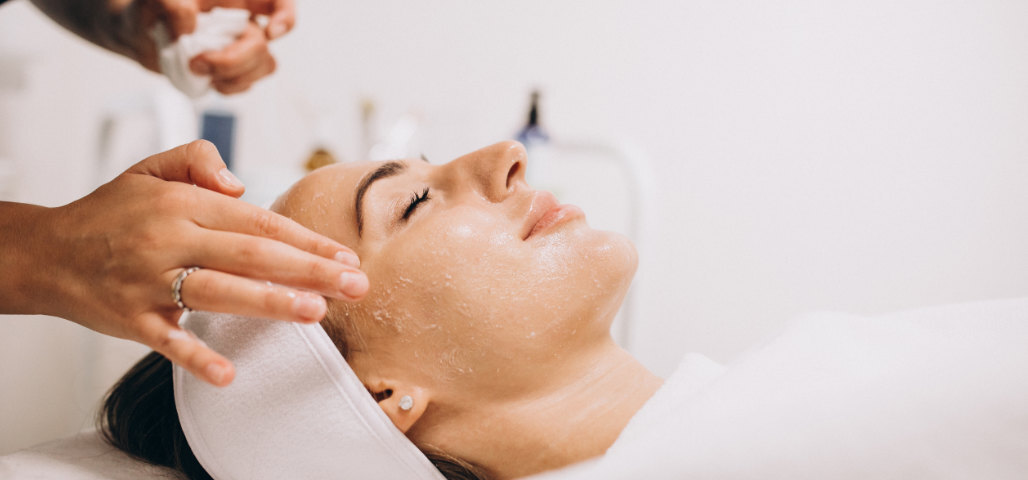
Unlocking Your Skin's Potential with Microneedling
Microneedling stands out as a highly effective and versatile treatment, offering a natural pathway to healthier, more vibrant skin. By harnessing the body's innate healing mechanisms, this innovative procedure delivers tangible results, addressing a wide spectrum of concerns from fine lines and wrinkles to scars and uneven skin tone.
The remarkable microneedling benefits, particularly for the delicate skin of the face, make it a compelling option for anyone seeking significant skin rejuvenation without invasive surgery. It's a testament to the power of controlled stimulation, encouraging your skin to rebuild and renew itself from within.
From improving overall skin texture and tone to enhancing the efficacy of your favourite skincare products, the advantages of needling skin are clear. It's more than just a cosmetic treatment; it's an investment in your skin's long-term health and vitality. However, as with any aesthetic procedure, making an informed decision is paramount. While the potential for transformation is great, it’s crucial to understand the process, manage expectations, and prioritise safety.
If you're considering microneedling to unlock your skin's full potential, the next step is to consult with a qualified aesthetician. They can assess your individual skin concerns, discuss your goals, and determine if microneedling for face or other areas is the right treatment path for you. With expert guidance and proper care, you can embark on a journey towards a more radiant, youthful, and confident you. Embrace the science of beautiful skin and discover the lasting impact of microneedling.