CO₂ Laser for Brown Skin
A Beauty Expert's Perspective

Best for:
Info about:
CO2 laser resurfacingA client came to me last month after being turned away from three clinics. Each one had given her the same answer: "CO₂ laser isn't safe for dark skin." She had almost begun to believe them.
I hear this story often. And I understand why clinics say it. But I don't agree with it as a default answer.
Why Some Clinics Say No
CO₂ laser carries a real risk for darker skin. That risk has a name: post-inflammatory hyperpigmentation, or PIH. PIH means dark marks that form as the skin heals. For medium to dark brown skin, that risk is higher
than it is for pale skin. Skin doctors call this range Fitzpatrick Type IV and above.
A clinic that says no is being careful. That care is not wrong. What I take issue with is making "no" the automatic answer for everyone.
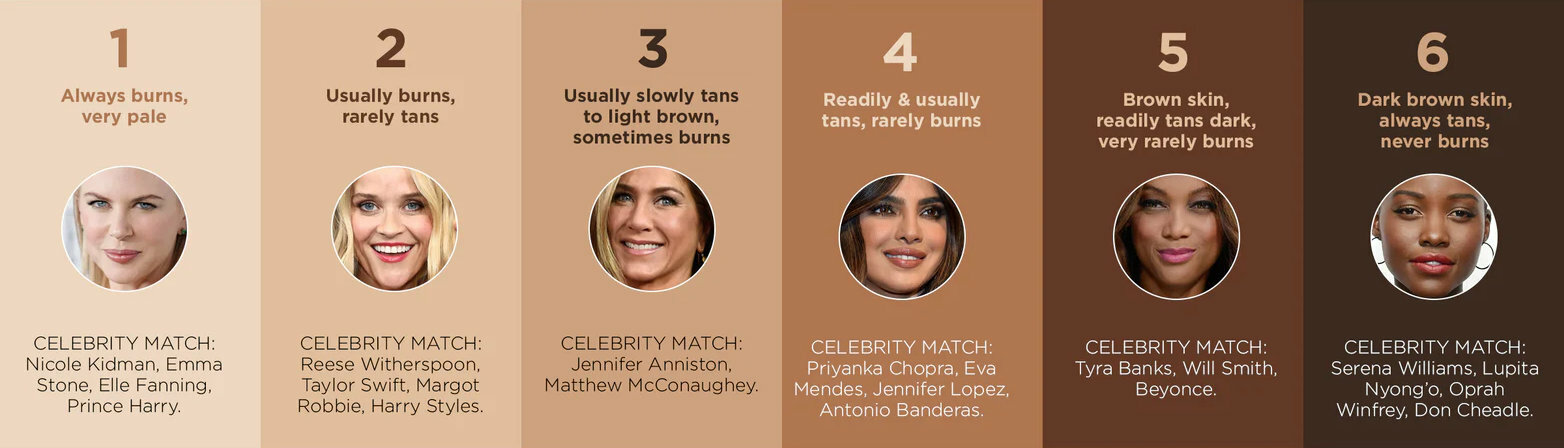
Melasma predominantly affects women with darker skin tones, such as those with Fitzpatrick skin types 3, 4 and 5.
My Background — and Why It Matters
I grew up and trained in the Philippines. Almost every client I treated there had brown skin. Treating darker skin tones isn't something I had to learn about later. It is where I started.
I also have Type IV skin myself. So I understand the concern from the inside.
I've been based here in Christchurch since 2013. In that time, I've treated thousands of clients with medium to dark skin using fractional CO₂ laser. The vast majority have had excellent results. No lasting changes to their skin tone. No regrets.
I Don't Say Yes Automatically, Either
The key word is "automatically." I don't say yes to everyone with brown skin.
Every client goes through a careful check before I agree to treat them. Here is what I'm looking for:
- Skin history. Have you had dark marks after a cut or a spot in the past? That tells me a great deal.
- Current skin health. Is there active irritation or a skin infection? If so, we wait.
- Sun habits. Can you protect your skin carefully after treatment? This is not optional.
- Willingness to prepare. A pre-treatment skin programme is key to keeping PIH risk low.
If a client can't meet these requirements, I say no. Not because brown skin can't be treated. Because the conditions aren't right yet.
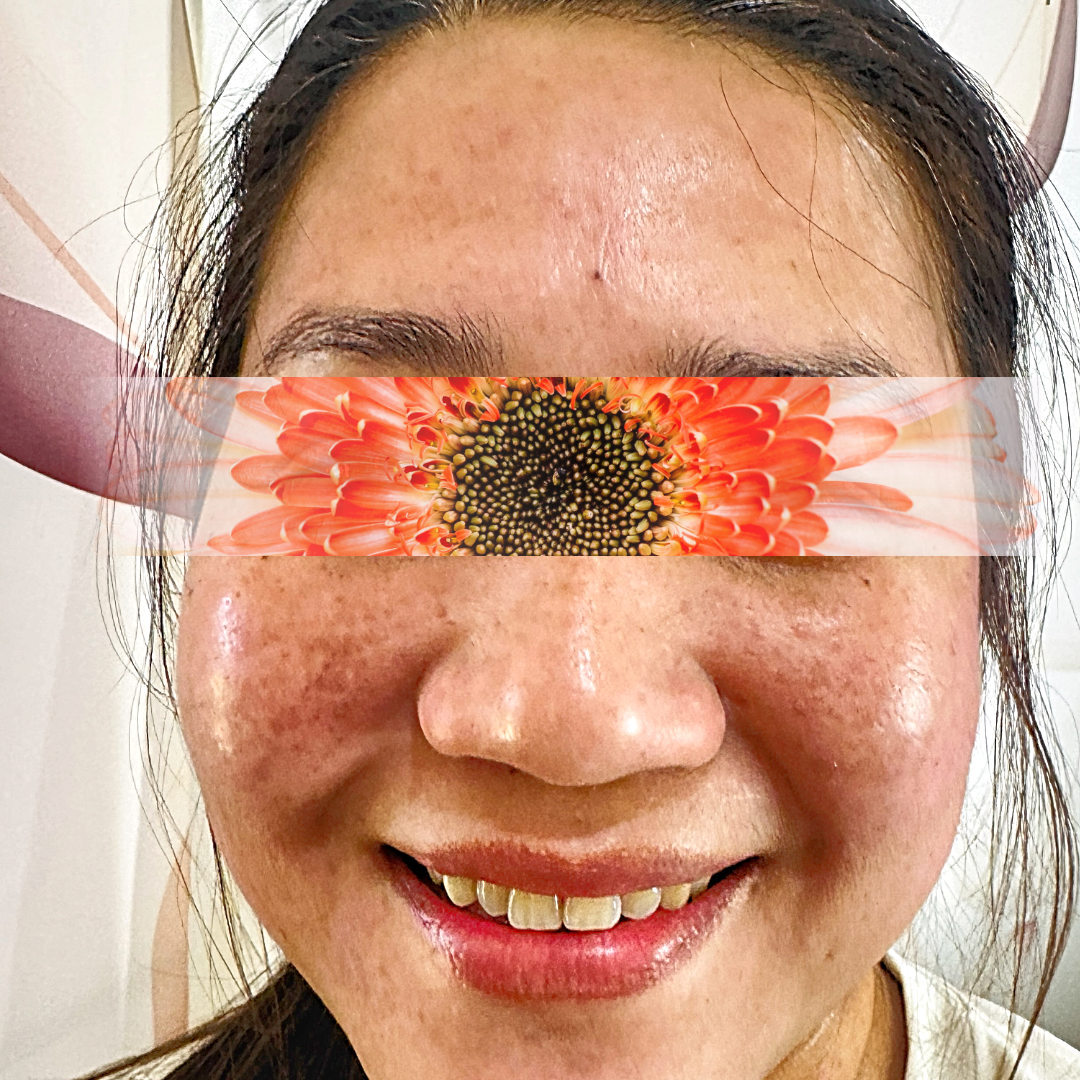
For years, Mrs. K struggled with melasma, enlarged pores, age spots, and uneven skin texture.
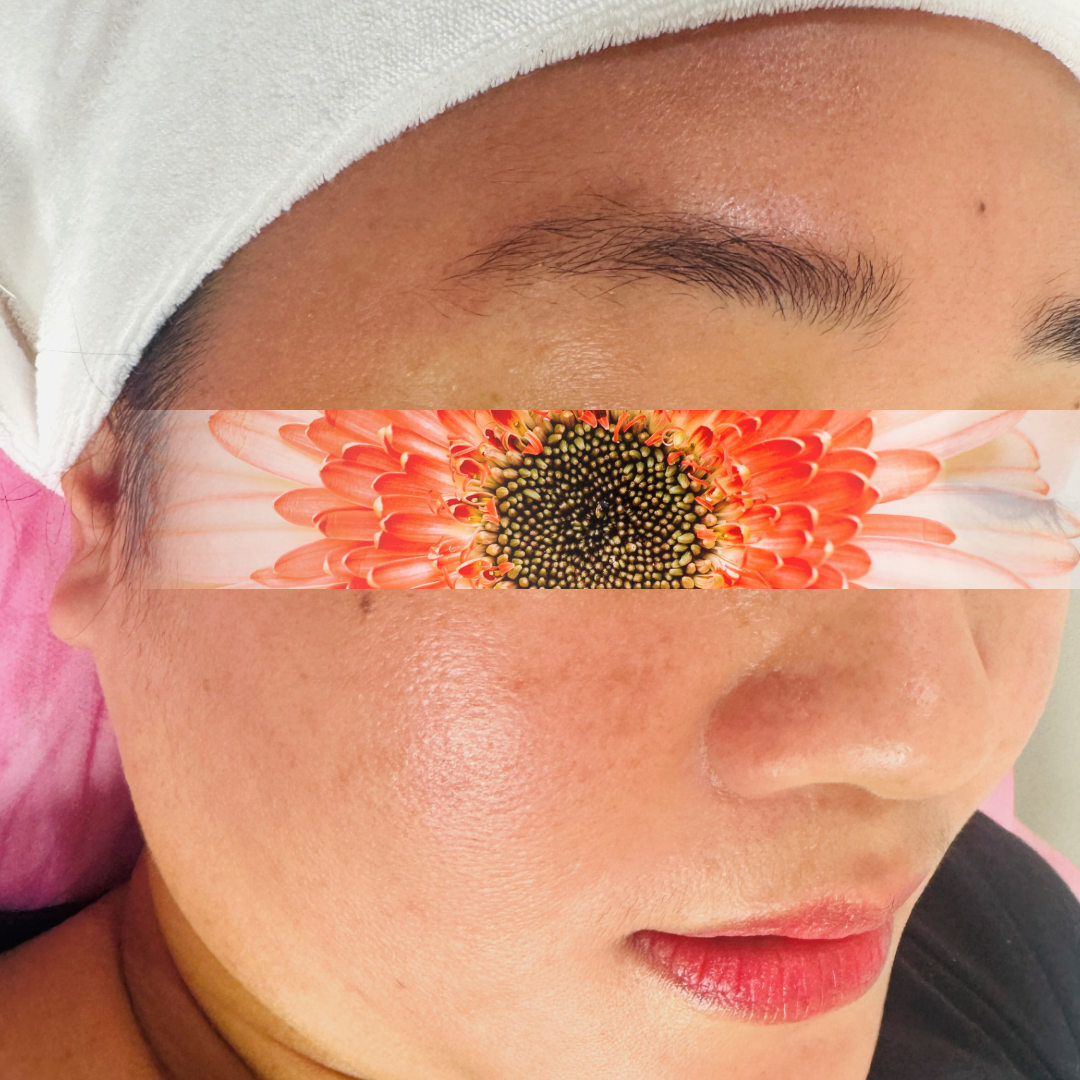
Like many clients, she had already visited multiple clinics and spent thousands trying different treatments — with little to no results.
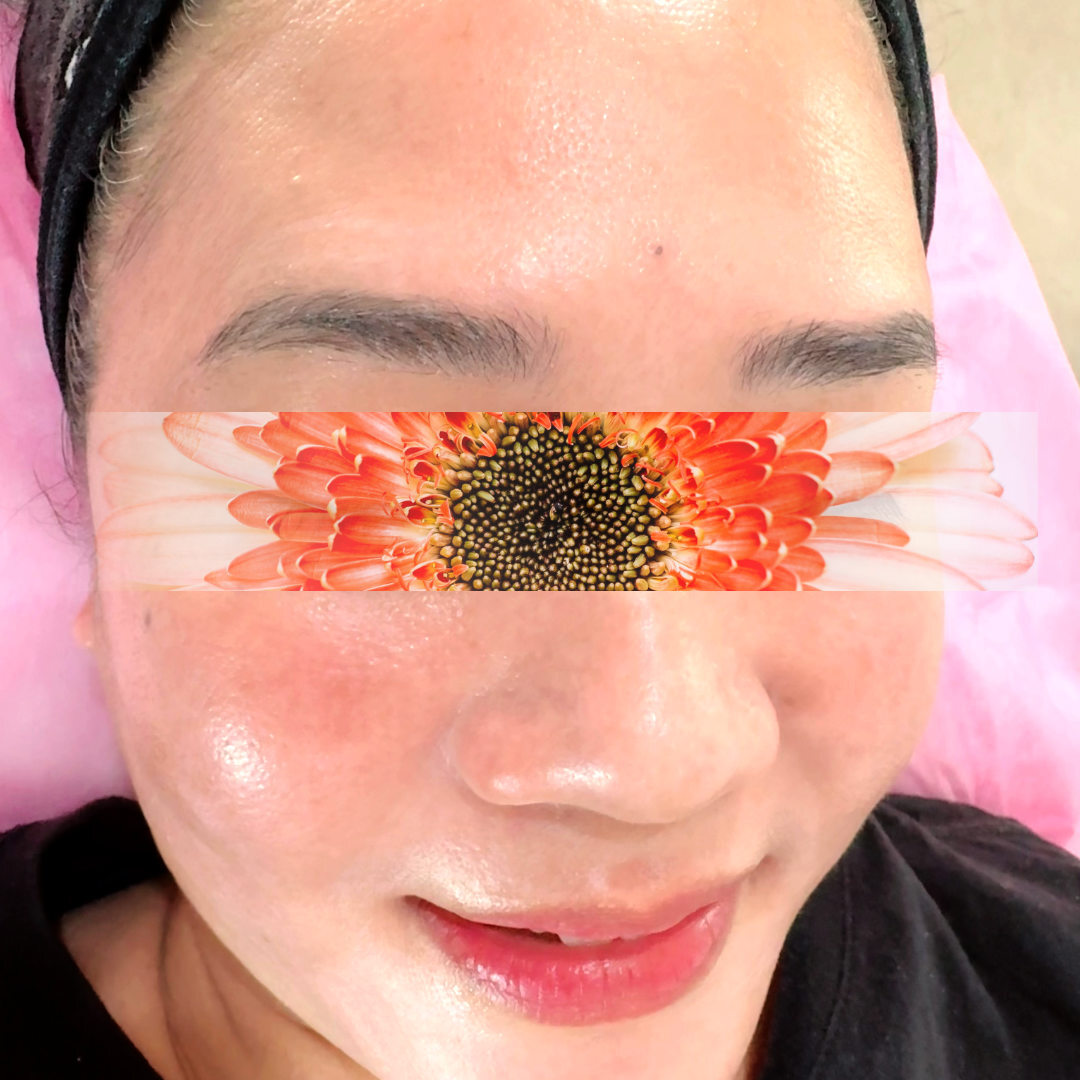
Using medical-grade products, we targeted the melasma. In just 3 weeks she started seeing visible improvement.
What Makes Fractional CO₂ Laser Different
Older CO₂ lasers treated the entire skin surface at once. The risk to darker skin was much higher with those devices. Fractional technology changed that.
A fractional laser treats only a small part of the skin at a time. It creates tiny treated columns, with healthy skin in between. That healthy skin helps the treated areas heal faster and more safely. The laser also tells the skin to make new collagen. This is what improves acne scars and uneven texture over time.
You can read more about how we approach this treatment on our CO₂ Laser Resurfacing page.
Being Honest About the Risks
Post-inflammatory hyperpigmentation is a real risk. I won't pretend otherwise.
Some clients do develop temporary dark marks after treatment. In most cases, these fade with the right skincare and careful sun protection.
What keeps this risk low is preparation. Before treatment, I put clients on a skin programme. This includes brightening products and a high-SPF sun cream. After treatment, we keep that programme going alongside careful aftercare. With this approach, lasting PIH is uncommon. But it is not impossible. I'll always tell you that honestly.
What a Real Client Said
Karl W. shared his experience on Facebook after completing his sessions here in Christchurch. He wrote that I'd taken care to recommend products to lower his risk of hyperpigmentation — because of his darker complexion. He described his results as excellent.
That review means a great deal to me. It captures what I aim for every time: real results, delivered safely.
Brown skin is beautiful. Brown skin is treatable.
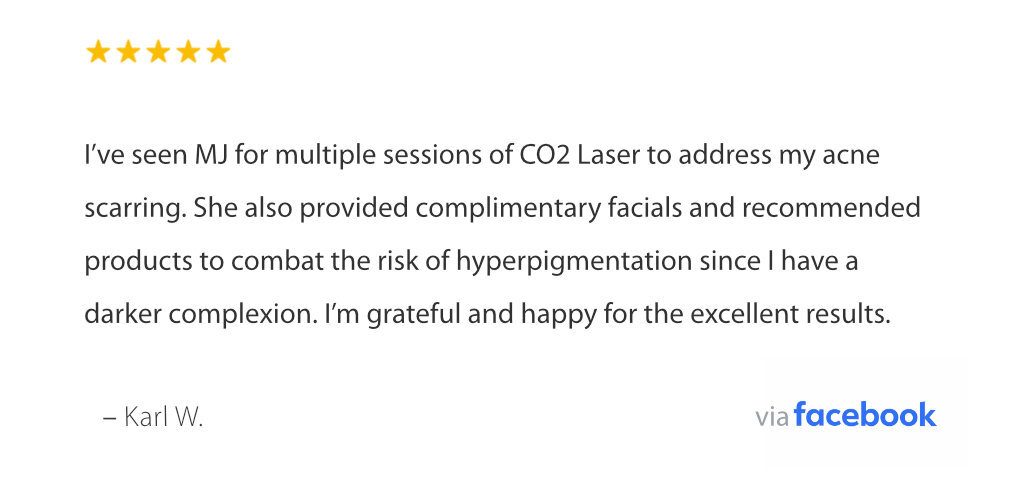
See this, and many more recommendations for MJ Exposé on Facebook
What to Expect After Treatment
Recovery from fractional CO₂ laser follows a clear path:
- Days 1 – 3: Redness and mild swelling. Your skin will feel like sunburn.
- Days 3 – 5: The surface feels rough as old skin sheds. Do not pick at it.
- Day 7 onwards: Redness starts to fade. The skin looks pink and fresh.
- Weeks 4 – 6: Final results become clear.
For the full guide on caring for your skin before and after your session, visit our CO₂ Laser Pre & Post Care page.
Have You Been Told No? Ask One Question.
If a clinic has turned you away, ask them this: how many clients with medium to dark skin have you treated with CO₂ laser?
A skilled practitioner will welcome that question. One who hesitates — or can't give you a clear answer — may not have the experience your skin deserves.
Book a Consultation at MJ Exposé
Thinking about CO₂ laser for brown skin?
Book a consultation at MJ Exposé Health & Beauty in Christchurch. I assess every client in person before recommending any treatment. My goal is to find the right plan for your skin — not simply to fill a space in the diary.
Considering fractional CO₂ laser for brown skin? Book a consultation at MJ Expose Health & Beauty in Christchurch. I personally assess every client to ensure the right treatment plan for your skin type.
Book Your Consultation Book Your Consultation
 AfterPay is avaliable for all purchases.

Mrs H. before her treatment

Mrs H. midway through her treatment

Mrs H. finishing off her treatment
Does CO₂ laser hurt?
We apply a numbing cream before we start. Most people feel a warm, prickly heat — not pain. We check in with you throughout the session.
How many sessions will I need?
It depends on your skin and your goals. Acne scars often need three to six sessions, spaced four to six weeks apart. We'll work out a plan together at your first visit.
What should I avoid after treatment?
Stay out of the sun. Avoid retinol, AHAs, and hot showers for the first week. Do not pick or scratch the treated skin — even when it feels rough. It's part of the healing process.
Why do some clinics say no to CO₂ laser on brown skin?
Because PIH — dark marks that can form as skin heals — is more common with darker skin tones. That risk is real. But with the right preparation, the right settings, and the right aftercare, many clients with brown skin do achieve excellent results. In my experience, they very often do.
How do I know if a practitioner has experience with darker skin?
Ask them directly. Ask how many clients with Type IV to VI skin they've treated with CO₂ laser. Ask how they manage PIH risk. A practitioner with real experience will answer without hesitation.
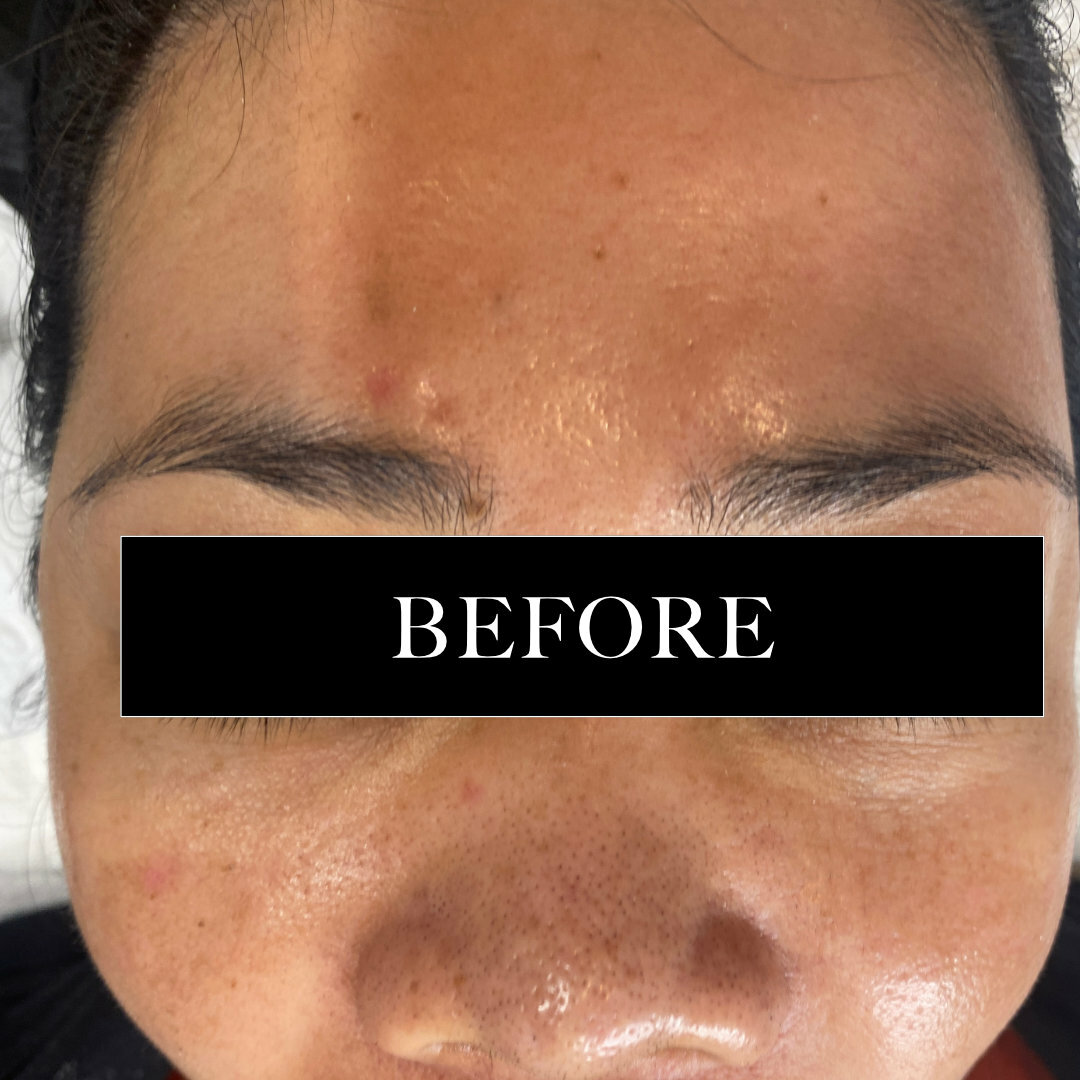
Client A before treatment
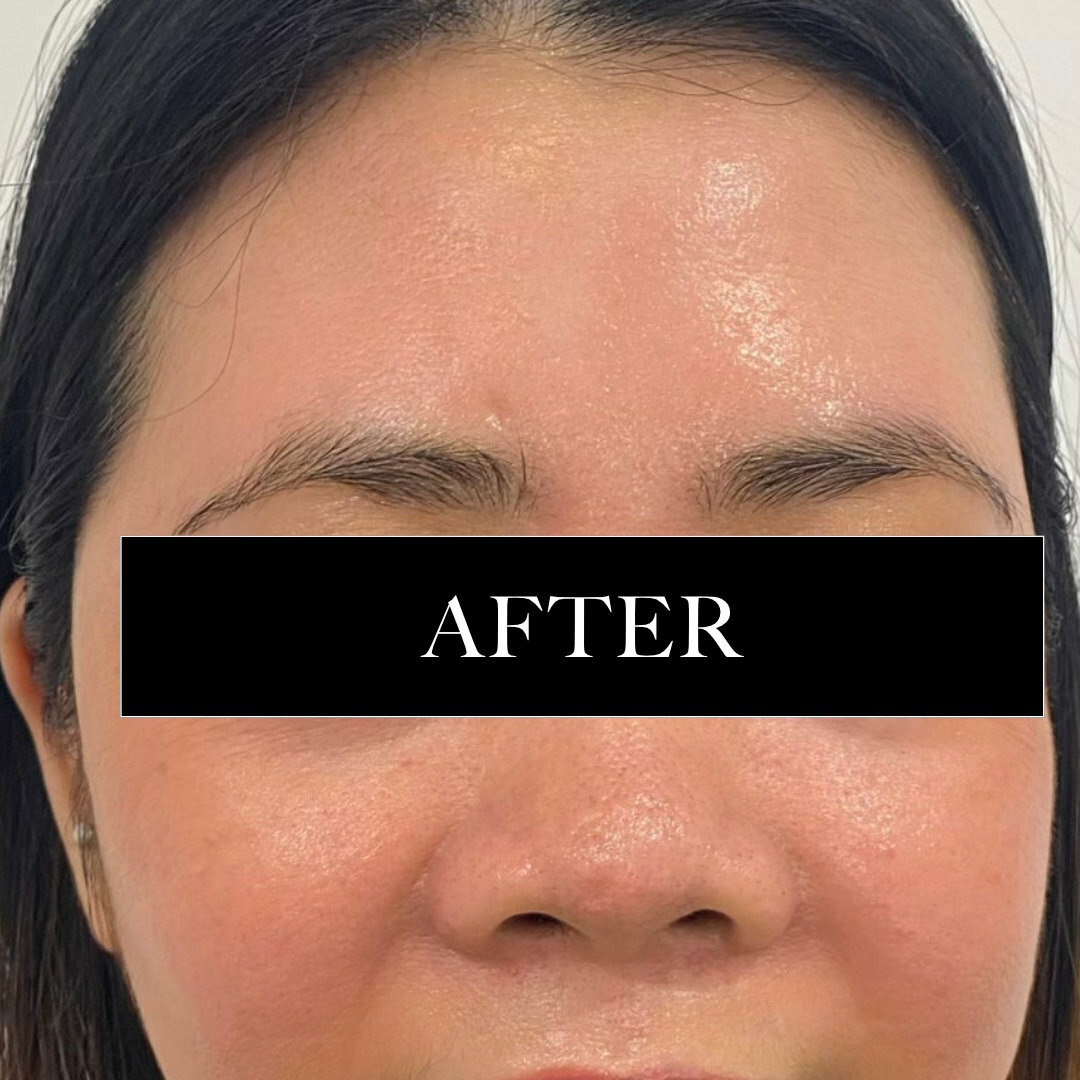
Client A after treatment
MJ Endrina is the founder and head beauty expert at MJ Exposé Health & Beauty, 29 Mariposa Crescent, Aidanfield, Christchurch. She has over 25 years of experience in clinical skin treatments.